Tracing Mobile Slot Trends Through Swedish Licensing Impacts on Interactive Features
Petra Schulz · Nov 8, 2026
Tracing Mobile Slot Trends Through Swedish Licensing Impacts on Interactive Features
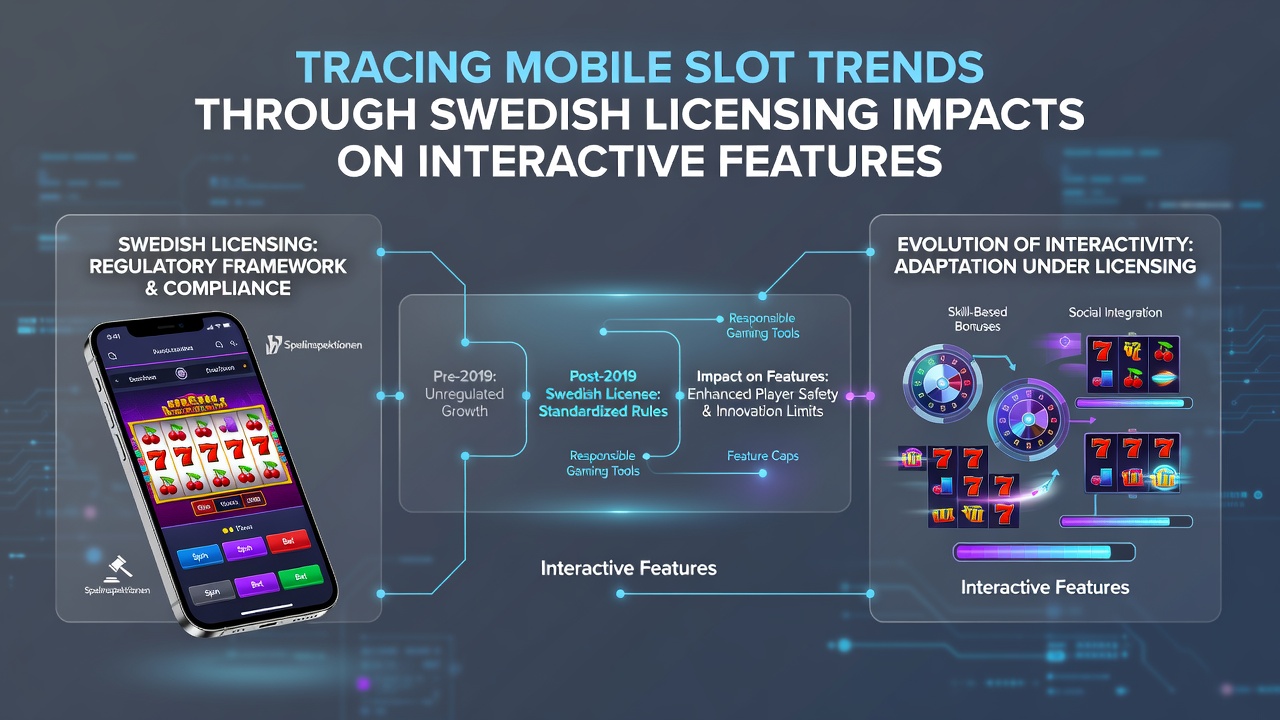
Swedish licensing requirements shape how mobile slot developers build interactive elements, from touch-based bonus rounds to real-time multiplier systems, because operators must comply with Spelinspektionen rules on game fairness and player controls. These regulations push studios to integrate mandatory responsible gaming tools directly into gameplay loops rather than adding them as afterthoughts, and the result shows up in the way mobile slots handle session timers, loss limits, and quick-exit options that activate mid-spin sequences.
Licensing Framework and Mobile Development Constraints
Spelinspektionen issues licenses only after operators demonstrate that every game title meets technical standards for randomness and transparency, which forces mobile slot providers to embed certification processes early in the design cycle. Developers working on HTML5-based titles therefore test interactive features such as cascading reels or pick-and-click mini-games against these standards before release, and the process creates consistent patterns across platforms where touch gestures trigger both entertainment sequences and compliance alerts at the same time.
Data from licensed operators indicate that mobile slot sessions in Sweden average shorter durations compared with unregulated markets, largely because interactive prompts remind players of remaining balance and time spent without interrupting the core spinning mechanic. This integration keeps engagement high while satisfying licensing conditions that require visible, non-intrusive safeguards.
Shifts in Interactive Feature Design Since 2023
Since stricter mobile-specific guidelines took effect, studios have moved away from autoplay functions that run without continuous input and toward gesture-controlled sequences where players actively choose when to trigger features. Touchscreen interactions now often include optional skill elements, such as timing taps to influence bonus round outcomes within predefined probability ranges, and these changes align with licensing demands that games must not encourage prolonged unattended play.
Figures released by industry tracking services show a rise in features like dynamic paytable adjustments that respond to a player's chosen stake level on the fly, yet these adjustments always stay within Spelinspektionen-approved volatility bands. The combination allows mobile slots to feel more responsive without crossing into areas that regulators view as potentially problematic.
Player Behavior Data and Feature Adoption
Analytics from platforms operating under Swedish licenses reveal that interactive elements tied to responsible gaming tools achieve higher voluntary usage rates than standalone pop-ups. Players frequently engage with in-game limit-setting menus that appear as part of the bonus round selection screen, and this placement reduces friction while meeting transparency requirements.
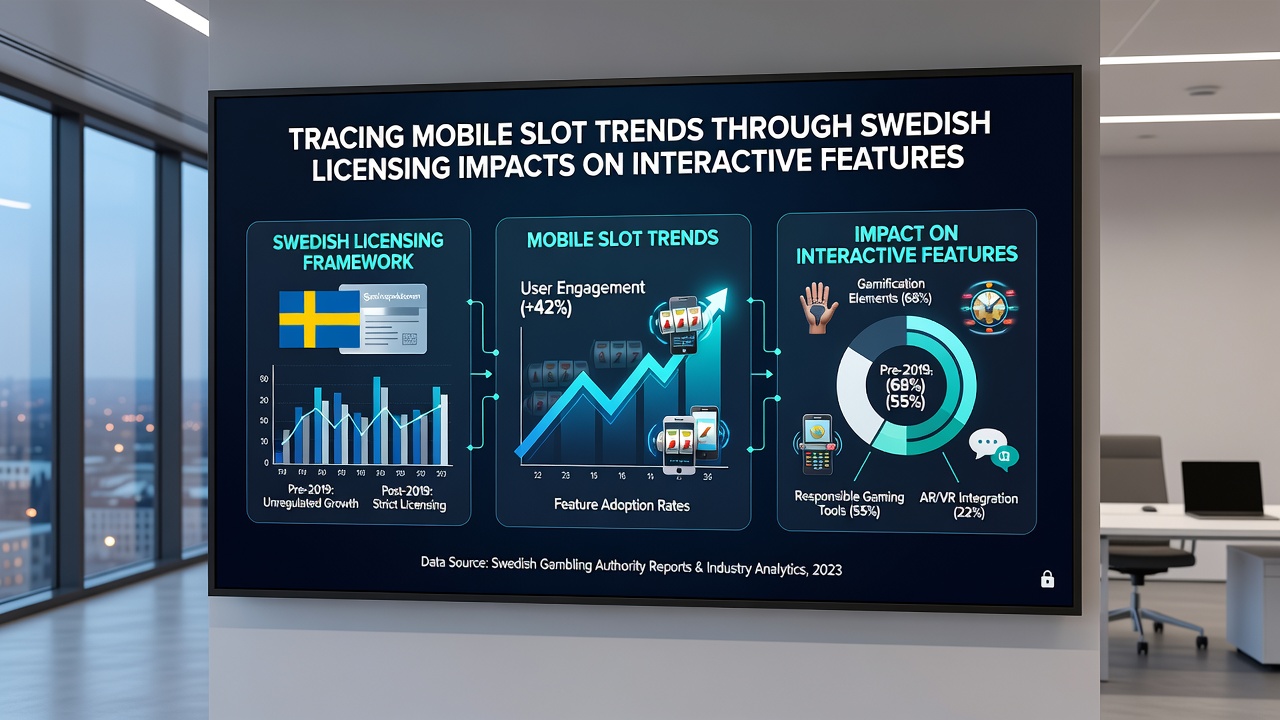
November 2026 reports from multiple operators highlight continued growth in mobile slot traffic, with interactive progressive jackpot features now including mandatory contribution caps that reset automatically when a player reaches a pre-set threshold. These caps appear as visual meters within the game interface itself, turning a compliance rule into an additional layer of visual feedback that keeps sessions dynamic.
Technical Adaptations Across Device Ecosystems
Mobile slot developers adapt interactive mechanics differently for iOS and Android because licensing audits examine how each operating system handles real-money transactions and session data. On Android devices, for example, quick-access floating action buttons often surface limit reminders during free-spin sequences, whereas iOS versions integrate the same controls into the native gesture navigation flow to maintain a seamless experience. Both approaches satisfy the same regulatory criteria while preserving the tactile feel that defines modern mobile play.
Cross-platform testing data confirm that titles using unified APIs for interactive elements pass certification faster, which encourages wider adoption of standardized touch libraries across the Swedish-licensed market. The outcome is a narrower but more polished range of features that emphasize controlled interactivity over unrestricted complexity.
Conclusion
Swedish licensing continues to steer mobile slot innovation toward interactive features that balance entertainment value with built-in safeguards, and the patterns emerging in 2026 suggest these adjustments will remain central to future title releases. Operators and developers alike track how players interact with these regulated elements to refine both compliance and engagement metrics, creating a feedback loop that shapes the next wave of mobile slot design.