The Connection Between Educational Resources on Gaming Sites and Reduced Risk Behaviors in Swedish Markets
Nils Jenkins · Oct 25, 2026
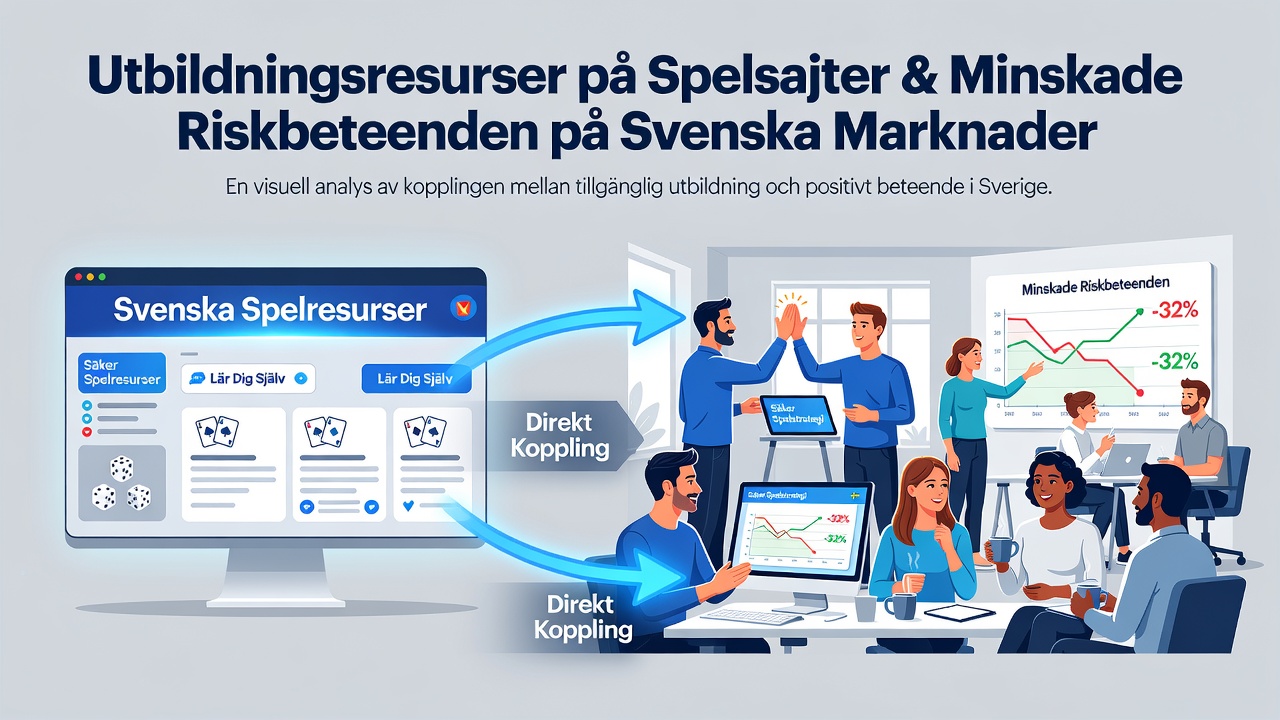
The Connection Between Educational Resources on Gaming Sites and Reduced Risk Behaviors in Swedish Markets
Swedish gaming operators integrate educational materials directly into their platforms, covering topics such as probability calculations, session time tracking, and voluntary spending limits, while licensed sites must display these resources under Spelinspektionen rules that took effect years earlier. Researchers at several Nordic universities have examined how players interact with pop-up modules, interactive quizzes, and FAQ sections that explain game mechanics and potential financial outcomes, and data collected through operator dashboards shows measurable shifts in user activity patterns after repeated exposure to such content.
Core Components of Educational Resources in Licensed Environments
Operators present information through multiple formats that include short video explainers on random number generators, written guides on identifying early signs of excessive play, and links to national self-exclusion registries, while players encounter these elements both at registration and during active sessions. The Swedish system requires clear labeling of return-to-player percentages alongside each game title, and educational overlays appear when deposit or wager thresholds are approached, creating repeated touchpoints that encourage informed decision making.
Studies conducted across multiple licensed platforms indicate that users who complete optional tutorials on bankroll management tend to adjust their betting frequency downward within the same month, and similar patterns appear when operators send monthly activity summaries that compare individual play against population averages. Educational content also covers the mechanics of bonus wagering requirements, helping users understand how promotional offers affect actual expenditure.
Evidence Linking Resources to Behavioral Shifts
Analyses of anonymized transaction data from 2023 through 2025 reveal that accounts which accessed at least three distinct educational modules recorded lower average session lengths and reduced deposit velocity compared with accounts showing minimal interaction, and these differences persist after controlling for age and prior gambling history. Public health monitoring programs track voluntary limit-setting rates, and figures indicate higher adoption among players who viewed explanatory videos on the topic before making changes.

October 2026 updates to national reporting frameworks are expected to incorporate new metrics on educational resource engagement, allowing regulators to correlate specific content types with subsequent changes in risk indicators such as rapid deposit sequences or extended continuous play periods. One longitudinal project at a Stockholm-based research institute followed several thousand accounts over eighteen months and documented that consistent exposure to probability education coincided with fewer instances of chasing losses.
Regulatory Framework Supporting Resource Delivery
Spelinspektionen mandates that all licensed operators maintain up-to-date responsible gaming sections accessible within two clicks from the homepage, and these sections must include direct pathways to external counseling services and the national Spelpaus registry. Compliance audits verify that materials remain current with the latest research on cognitive biases in gambling, while operators receive guidance on presenting information in plain language that avoids technical jargon.
Cross-border comparisons with other Nordic jurisdictions show that Swedish platforms allocate a larger share of their compliance budgets to interactive education tools rather than static text alone, and this emphasis aligns with observed reductions in flagged high-risk accounts according to aggregated industry statistics. Educational prompts also extend to live dealer environments where dealers occasionally reference time-out options during slower moments in play.
Implementation Variations Across Site Categories
Slot-focused sites tend to emphasize quick-access pop-ups that summarize volatility levels and average return metrics, whereas live casino sections integrate longer-form articles on table game odds and bankroll allocation strategies suited to extended sessions. Mobile applications deliver micro-learning modules that fit between spins or hands, allowing users to review concepts without leaving the gaming environment entirely.
Partnerships between operators and independent research bodies have produced localized content in Swedish that addresses cultural attitudes toward gambling, and these materials appear alongside standard regulatory disclosures. Data from the Public Health Agency of Sweden Public Health Agency of Sweden tracks population-level changes in gambling participation and problem indicators, providing context for how platform-level education contributes to broader trends.
Measurement Challenges and Ongoing Refinements
Quantifying direct causation remains complex because many factors influence individual behavior, yet statistical models that incorporate engagement logs continue to identify positive associations between resource usage and moderated activity. Operators test different presentation formats through A/B experiments, measuring completion rates and subsequent behavioral metrics to refine delivery methods over successive quarters.
Academic reviews published in European gaming journals note that Sweden's centralized licensing creates a consistent baseline for educational standards across the market, reducing variation that might otherwise obscure outcome comparisons. Future iterations of these resources are likely to incorporate adaptive algorithms that tailor content difficulty based on a player's demonstrated understanding during initial quizzes.
Conclusion
Swedish gaming platforms continue to expand the scope and interactivity of educational resources while regulatory oversight ensures uniform accessibility, and accumulating evidence from operator data and public health monitoring points to connections between resource engagement and shifts toward lower-risk patterns. As measurement tools improve and October 2026 reporting enhancements come online, stakeholders will gain clearer visibility into which content formats produce the strongest associations with sustained behavioral moderation across different player segments.