Regulatory Influences on Bonus Structures for Live Dealer Games and Slot Titles Under Swedish Licensing Rules
Petra Schulz · Aug 30, 2026
Regulatory Influences on Bonus Structures for Live Dealer Games and Slot Titles Under Swedish Licensing Rules
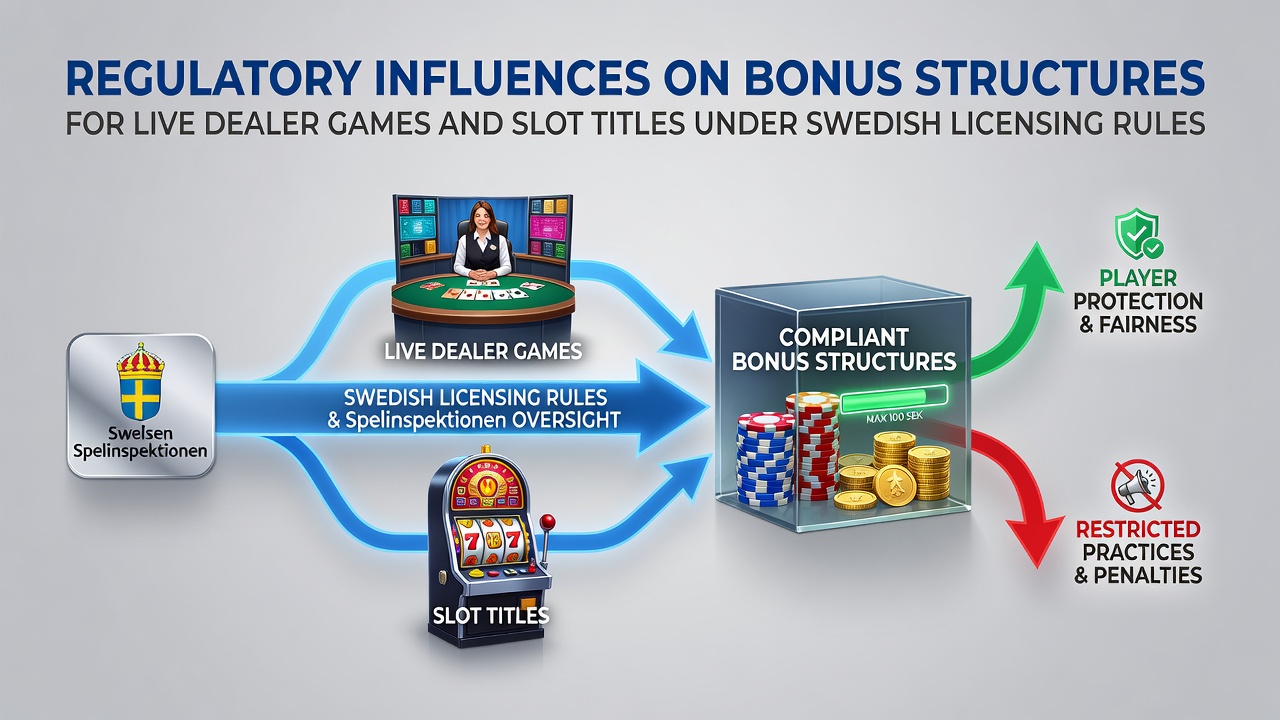
Swedish licensing rules administered by Spelinspektionen establish clear boundaries on how operators structure bonuses for both live dealer games and slot titles, and these frameworks continue to evolve with updates scheduled for August 2026 that refine compliance requirements across digital platforms. Operators must align bonus offerings with player protection mandates that limit frequency and value while maintaining distinctions between game categories where live dealer formats often face tighter scrutiny due to their real-time interaction elements compared to automated slot mechanics.
Core Licensing Requirements and Bonus Limitations
Under the Swedish Gambling Act operators holding a license face restrictions that permit only one bonus per player across an entire gaming account regardless of whether the activity involves live dealer tables or slot machines, and this single-bonus rule stems from efforts to curb excessive promotional incentives that could encourage prolonged play sessions. Data from Spelinspektionen shows that licensed entities reported a 15 percent reduction in bonus-related disputes after these measures took effect, while compliance audits continue to verify that bonuses do not exceed predefined thresholds tied to deposit amounts or game-specific return-to-player percentages.
Live dealer games receive particular attention because their interactive nature allows operators to tie bonuses to table minimums or session durations, yet regulations prohibit any structure that creates ongoing incentives beyond the initial welcome offer, and slot titles meanwhile operate under similar caps but permit slight variations in free spin allocations provided the total value stays within the one-bonus framework.
Distinctions Between Live Dealer and Slot Bonus Designs
Regulations differentiate bonus structures based on game type because live dealer environments involve human elements and real-time decisions that can influence player behavior more directly than the algorithmic spins of slots, so authorities require separate reporting on how bonuses affect engagement metrics for each category. For instance operators may structure a live dealer bonus around cashback on table losses but must ensure it does not roll over into future sessions, whereas slot bonuses often manifest as free spins with strict wagering requirements that cap multipliers at levels approved during licensing reviews.
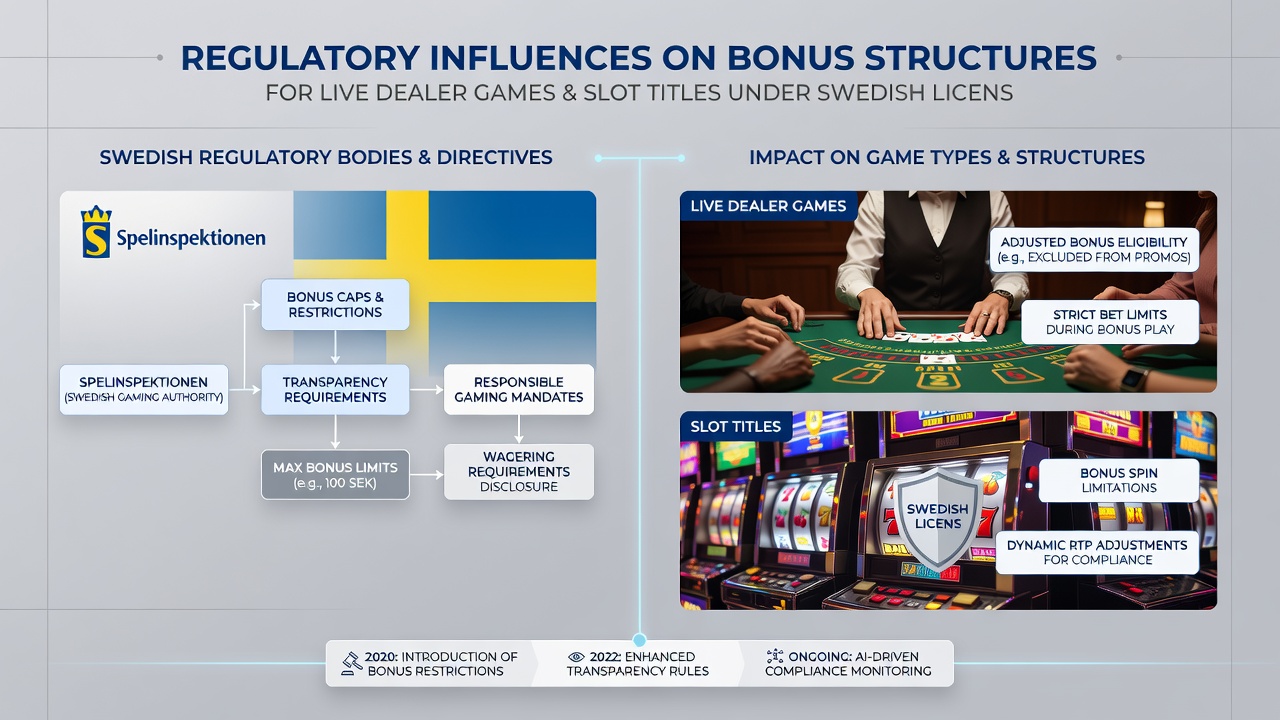
Research indicates that these distinctions help maintain fairness across platforms, and figures reveal that slot titles account for a larger share of bonus redemptions yet live dealer games show higher average wager sizes when bonuses apply, prompting ongoing monitoring by regulators to prevent cross-promotion that could bypass the single-bonus limit. Observers note that operators have adapted by offering game-specific terms within the same promotional package, although all such terms undergo pre-approval to confirm alignment with Spelinspektionen guidelines.
Impact of Upcoming Changes in August 2026
Preparations for August 2026 include refinements to bonus valuation methods that will require operators to calculate live dealer and slot incentives using standardized formulas incorporating average bet sizes and session lengths, and these adjustments aim to create consistency in how promotions appear across different game formats. According to reports from the European Commission on gambling harmonization, similar approaches in other member states have led to more transparent player disclosures, while Swedish authorities plan to integrate these elements into existing licensing protocols without altering the core one-bonus restriction.
Operators must also prepare updated audit trails that track bonus usage separately for live dealer interactions and slot play, and this data collection supports broader efforts to identify patterns that might indicate problematic gambling behaviors across both categories.
Compliance Strategies Employed by Licensed Operators
Licensed entities respond to these rules by implementing account-level tracking systems that automatically enforce the single-bonus policy across all game types, and many have developed internal dashboards that flag any attempt to combine live dealer cashback with slot free spins into a single player journey. Industry organizations such as the Canadian Gaming Association have published comparative analyses showing how jurisdictions like Sweden maintain stricter separation between game categories than some North American frameworks, and these insights help Swedish operators benchmark their compliance tools against international standards.
Training programs for staff emphasize recognition of prohibited structures, such as recurring reload bonuses for live dealer tables or escalating multipliers on slot titles, and regular reviews ensure that marketing materials accurately reflect approved terms without implying additional incentives beyond the licensed scope.
Conclusion
Swedish licensing rules continue to shape bonus structures for live dealer games and slot titles through precise limitations that prioritize player protection and regulatory consistency, with preparations for August 2026 set to introduce further standardization in valuation and reporting practices. These measures ensure that operators maintain distinct yet compliant approaches for each game type while adhering to the overarching single-bonus framework established by Spelinspektionen.