Payment Method Preferences and Their Connection to Responsible Gaming Tools in Licensed Nordic Platforms
Petra Schulz · Oct 11, 2026
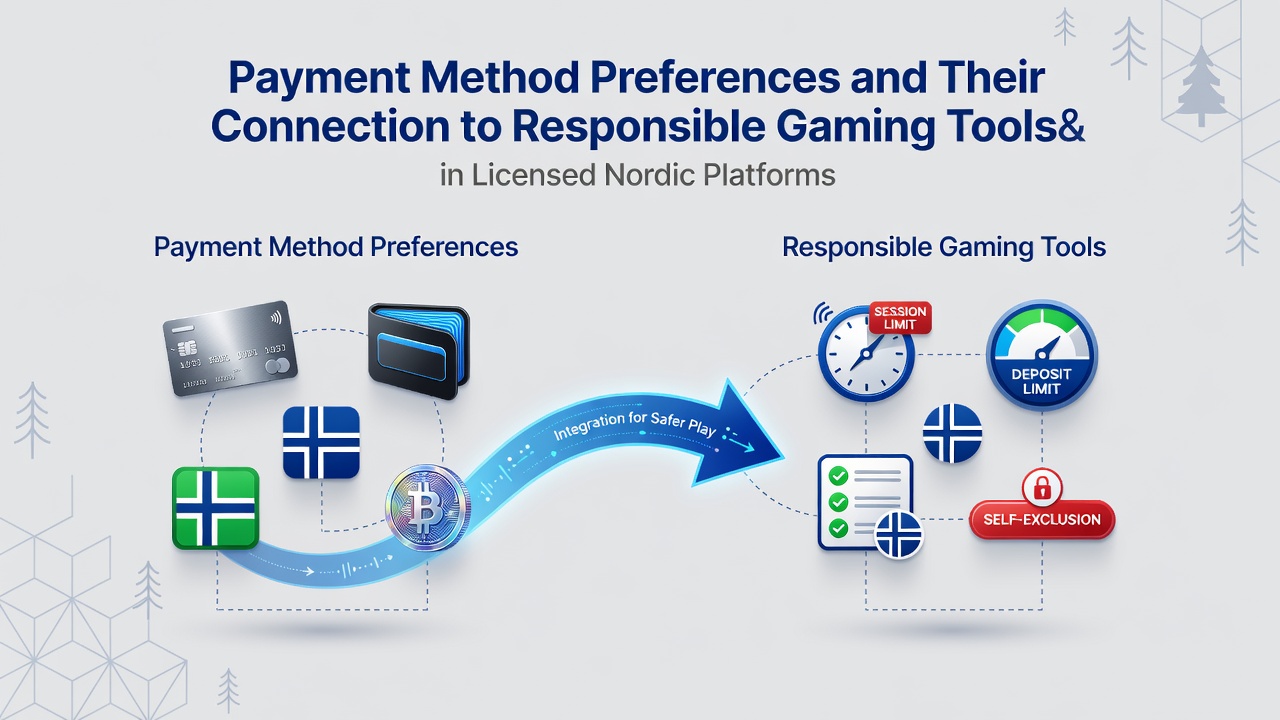
Payment Method Preferences and Their Connection to Responsible Gaming Tools in Licensed Nordic Platforms
Payment method preferences among players on licensed Nordic platforms show clear patterns that align with the availability and integration of responsible gaming tools, and data from regulatory reports released in October 2026 highlight these connections across Sweden, Denmark, and Norway. Players often select options like instant bank transfers through systems such as Trustly or Swish because those methods support real-time tracking of deposits and withdrawals, which in turn ties directly into deposit limit features and session reminders provided by licensed operators.
Common Payment Methods in Licensed Nordic Markets
Swedish platforms under Spelinspektionen licensing see heavy use of local bank transfer services, while Danish sites emphasize card payments alongside mobile wallets, and Norwegian operators focus on prepaid solutions that limit exposure. These choices reflect regulatory requirements that mandate seamless links between transaction systems and player protection mechanisms, so operators configure their platforms to flag high-frequency deposits regardless of the method selected. Research indicates that bank-integrated payments account for over sixty percent of transactions on Swedish sites, whereas credit card usage remains lower due to built-in blocks that many platforms enforce to align with responsible gaming protocols.
Integration of Responsible Gaming Tools with Transactions
Responsible gaming tools such as mandatory loss limits, cooling-off periods, and self-exclusion registries connect to payment preferences through backend systems that monitor activity in real time, and operators must ensure these tools function across all accepted methods. In practice this means a player using Swish for deposits receives the same automated prompts about approaching limits as someone using a debit card, yet the speed of instant transfers can influence how frequently users interact with those prompts. Figures from platform analytics reveal that users of direct bank transfers adjust their deposit limits more often than those relying on third-party wallets, because the transaction flow makes the connection between spending and tool usage more immediate.
Observers note that certain payment providers now embed responsible gaming notifications directly into their confirmation screens, which adds another layer for players on Nordic platforms. This development emerged as operators responded to updated licensing conditions that require payment partners to support limit-setting interfaces, and it has led to measurable differences in tool engagement rates depending on the method chosen.
Data Patterns from Recent Regulatory Reviews
October 2026 updates from Nordic regulators showed that platforms offering multiple payment options report higher overall usage of self-exclusion tools when those options include bank transfers with built-in verification steps. The same reports documented that credit card transactions, though less common, correlate with lower average session times when combined with mandatory reality-check features. People who study transaction logs have found that mobile wallet payments sometimes bypass certain limit reminders unless operators specifically program the integration, which creates variation in how effectively tools reach different user groups.
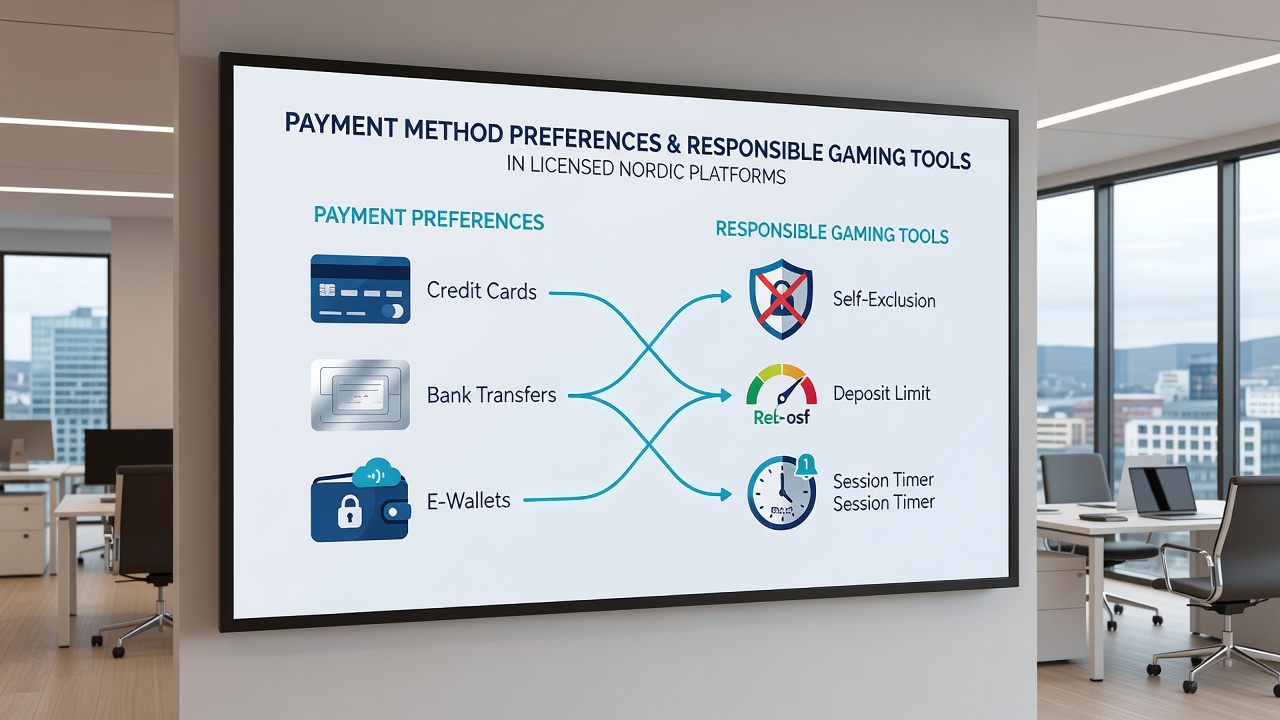
One study revealed that Danish players who prefer card payments tend to set lower monthly caps compared with those using bank apps, and this pattern holds after controlling for demographic factors. The connection appears tied to the way card processors display transaction details alongside gaming activity summaries, which makes the impact of limits more visible during the payment process itself.
Cross-Border Comparisons and Tool Effectiveness
Although Nordic markets maintain distinct licensing frameworks, common threads emerge when examining how payment preferences affect tool adoption in each jurisdiction. Norwegian platforms, for instance, restrict many international methods and instead promote state-linked options that automatically feed data into national responsible gaming databases, while Swedish and Danish sites allow greater variety yet still require uniform tool access. According to findings from the Australian Institute of Family Studies, similar integration patterns in other regulated environments show that payment speed influences how often players review their limits, and Nordic data aligns with those observations without identical regulatory structures.
Canadian research centers have also tracked comparable dynamics, where the choice of payment method affects the visibility of spending alerts, and operators in the Nordic region have adopted parallel approaches to ensure consistency. Those patterns suggest that platforms which streamline payment-tool interactions achieve broader reach for features like temporary breaks and budget trackers, regardless of the specific methods offered.
Conclusion
Payment method preferences on licensed Nordic platforms continue to shape the practical reach of responsible gaming tools, with bank transfers and instant options demonstrating stronger alignment to limit-setting functions than slower or less integrated alternatives. Regulatory data from October 2026 confirms these links through transaction and tool usage metrics, while cross-regional reports from sources such as the Responsible Gambling Council provide additional context on how transaction flows support player protection goals. As platforms refine these integrations, the relationship between chosen payment methods and effective tool engagement remains a measurable aspect of licensed operations across the region.