How Data Analytics Drive Self-Exclusion Effectiveness Across Licensed Nordic Gaming Platforms
Rosa Hansen · Sep 13, 2026
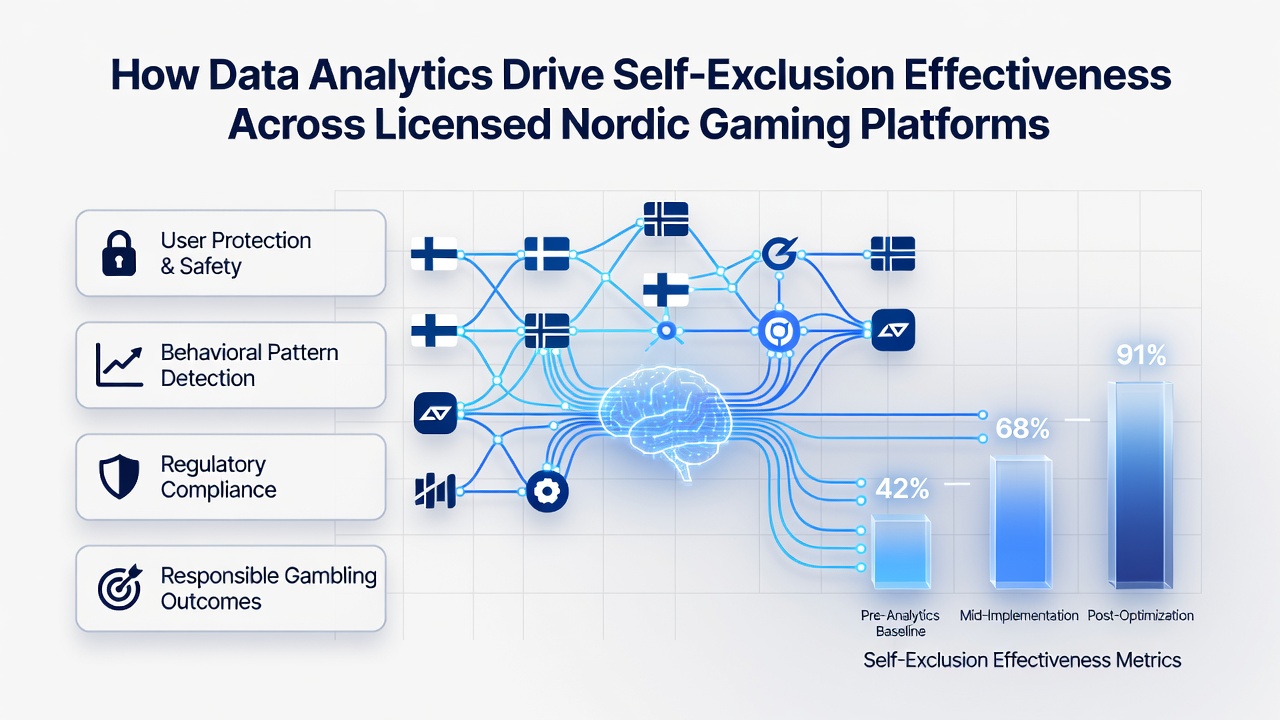
How Data Analytics Drive Self-Exclusion Effectiveness Across Licensed Nordic Gaming Platforms
Self-exclusion programs in licensed Nordic gaming markets rely on structured data collection and analysis to monitor player behavior across multiple operators, and these systems integrate real-time tracking tools that flag patterns consistent with problematic gambling activity while automatically enforcing exclusion periods set by users or regulators.
Core Self-Exclusion Mechanisms in Nordic Jurisdictions
Sweden operates Spelpaus as a centralized national registry that links directly to all licensed platforms, allowing players to set exclusion periods ranging from one month to permanent blocks, while similar frameworks exist in Norway through the national gambling authority and in Denmark via the Spillemyndigheden system, each requiring operators to sync user data in real time to prevent circumvention across sites.
Finland maintains a unified player account system under Veikkaus that incorporates self-exclusion flags, and these national databases feed into analytics engines that cross-reference transaction histories with session durations to identify when individuals attempt to bypass restrictions through secondary accounts or device changes.
Analytics Techniques Applied to Exclusion Data
Platform operators deploy machine learning models trained on aggregated anonymized datasets to detect early indicators of increased risk, including sudden spikes in deposit frequency or shifts toward high-volatility games, and these models trigger alerts that prompt operators to reinforce exclusion compliance rather than intervene directly in player decisions.
Behavioral segmentation divides users into cohorts based on historical play metrics such as average bet size relative to income indicators and time spent per session, allowing analysts to measure how self-exclusion uptake correlates with subsequent reductions in overall gambling volume across the licensed market.
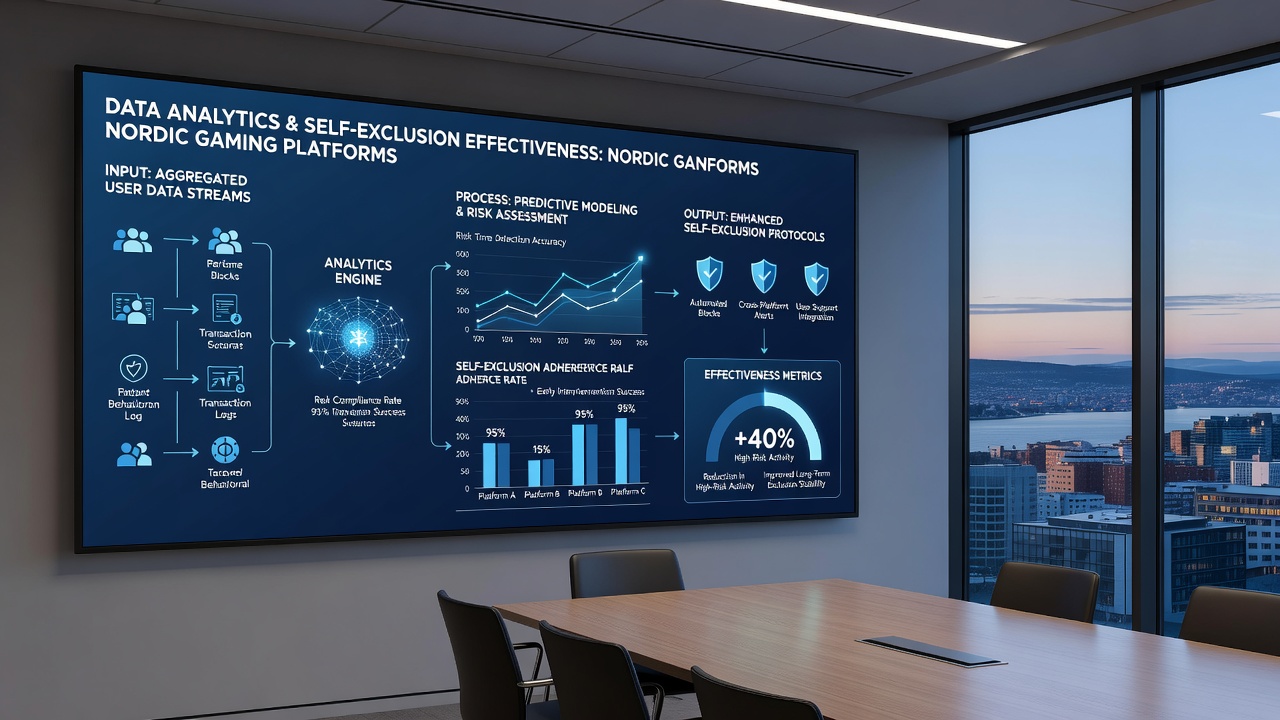
Effectiveness Metrics and Reported Outcomes
Figures released by Spelinspektionen show that self-exclusion registrations increased steadily between 2022 and 2025, with data analytics enabling faster matching of exclusion requests to active accounts and reducing instances of continued play after registration by integrating device fingerprinting and IP monitoring across operators.
Studies conducted by Nordic research institutions track post-exclusion gambling activity through matched datasets that compare excluded players against control groups, revealing measurable drops in total wager amounts and frequency of logins once exclusion periods activate, and these patterns hold across both slot and table game categories on licensed sites.
September 2026 Platform Updates
In September 2026 regulators across Sweden, Norway, and Denmark introduced standardized data fields for exclusion records that include enhanced consent logs and automated cross-border checks for players holding multiple Nordic licenses, and these changes allow analytics platforms to generate compliance reports that operators submit quarterly to demonstrate adherence to exclusion timelines.
Updated algorithms now incorporate weather and seasonal data alongside transaction streams to refine risk predictions, since historical records indicate certain periods see elevated play volumes, and this contextual layering improves the precision of exclusion effectiveness measurements without altering the voluntary nature of player-initiated blocks.
Operational Challenges in Data Integration
Multiple operators must reconcile differing internal data schemas when feeding into national registries, which creates occasional lags in exclusion enforcement that analytics teams address through daily reconciliation scripts and exception reporting, while privacy regulations limit the granularity of shared behavioral signals across borders even within the Nordic region.
Smaller licensed platforms sometimes lack the computational resources for advanced predictive modeling, so they rely on aggregated insights provided by the national authorities rather than building proprietary tools, and this tiered approach maintains baseline effectiveness while larger operators test more granular segmentation techniques.
Conclusion
Data analytics strengthen self-exclusion programs by enabling precise tracking, rapid enforcement, and longitudinal measurement of outcomes across licensed Nordic platforms, and continued refinements scheduled through 2026 focus on tighter data standardization that supports consistent application of exclusion rules without compromising player privacy standards set by each jurisdiction.